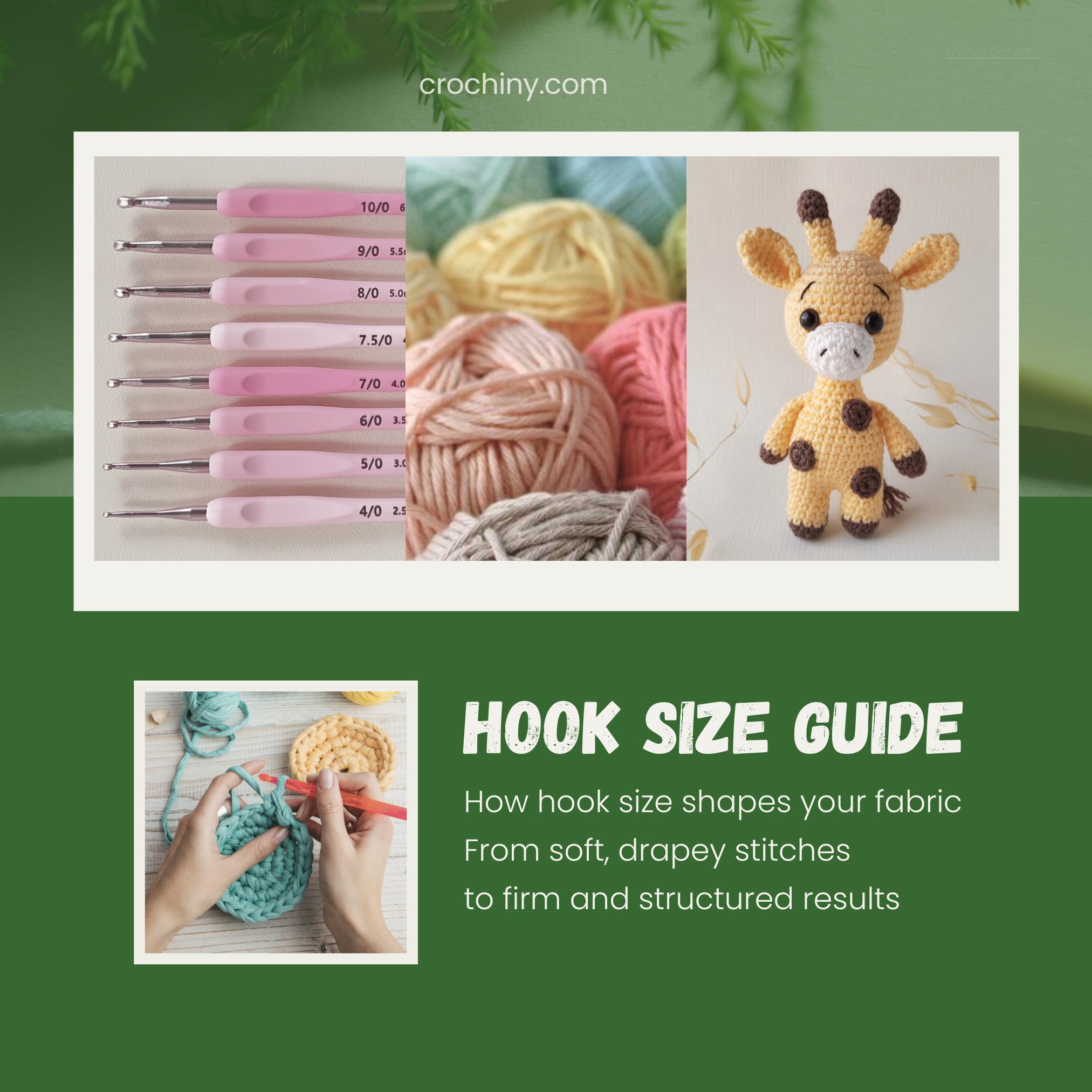
A practical guide to creating the fabric you actually want
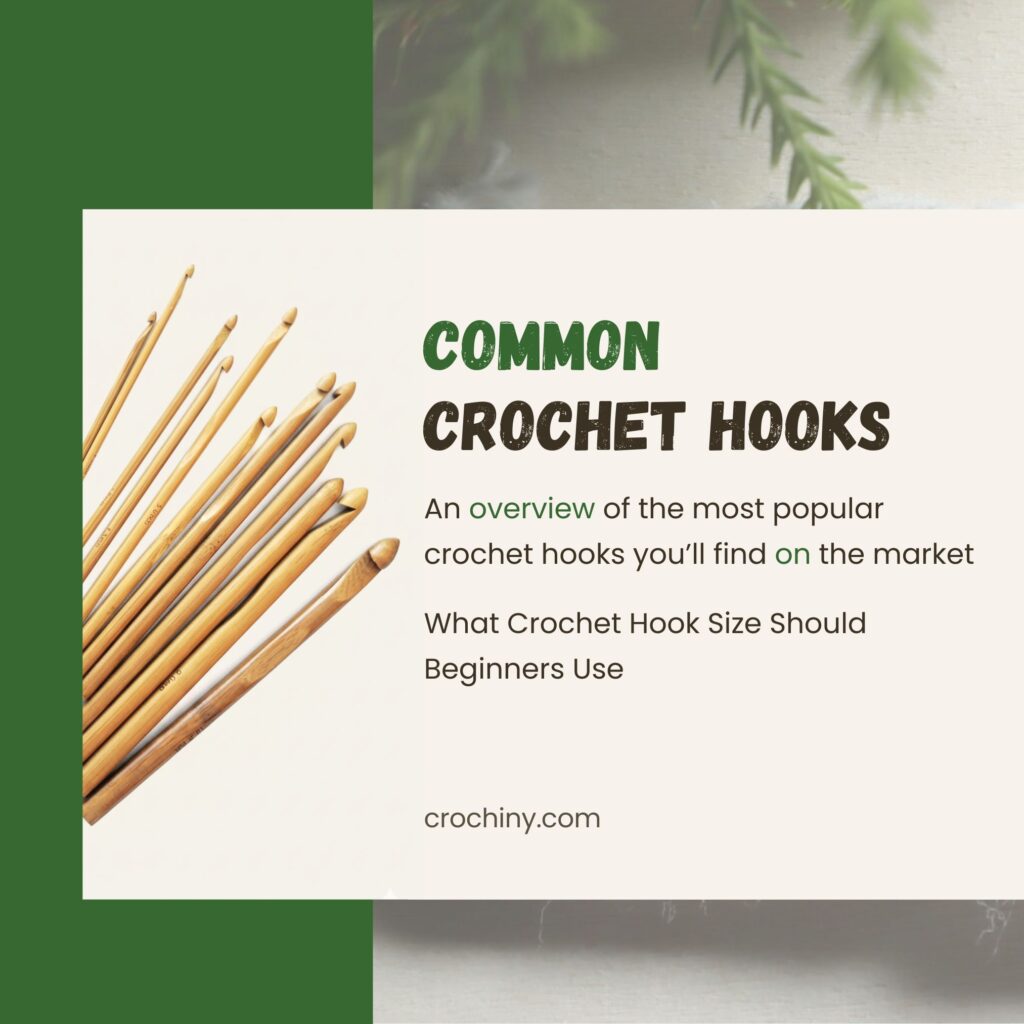
Choosing the right yarn is only half of the crochet equation. The other half—often overlooked—is the crochet hook size.
If you’ve ever followed a pattern exactly but still ended up with a project that felt too stiff, too floppy, or just “off,” chances are the issue wasn’t the yarn itself. It was the relationship between the yarn weight and the hook you used.
The crochet hook you choose directly affects:
Fabric drape
Stitch definition
Overall project size
How soft or structured the finished piece feels
In this guide, we’ll walk through each yarn weight, explain what it looks and feels like in real life, and recommend crochet hook sizes based on what you want your fabric to do—whether that’s flowing and drapey or firm and structured.
Understanding the Hook–Yarn Relationship
Before diving into yarn sizes, let’s clarify one simple rule that explains almost everything:
Larger hooks → bigger loops → looser stitches → softer, more drapey fabric
Smaller hooks → tighter stitches → denser fabric → more structure
Most yarn labels suggest a “standard” hook size. Think of this as a starting point, not a strict rule. Once you understand how hook size changes fabric behavior, you’ll be able to adjust confidently instead of guessing.
Yarn Size 0 – Lace Weight
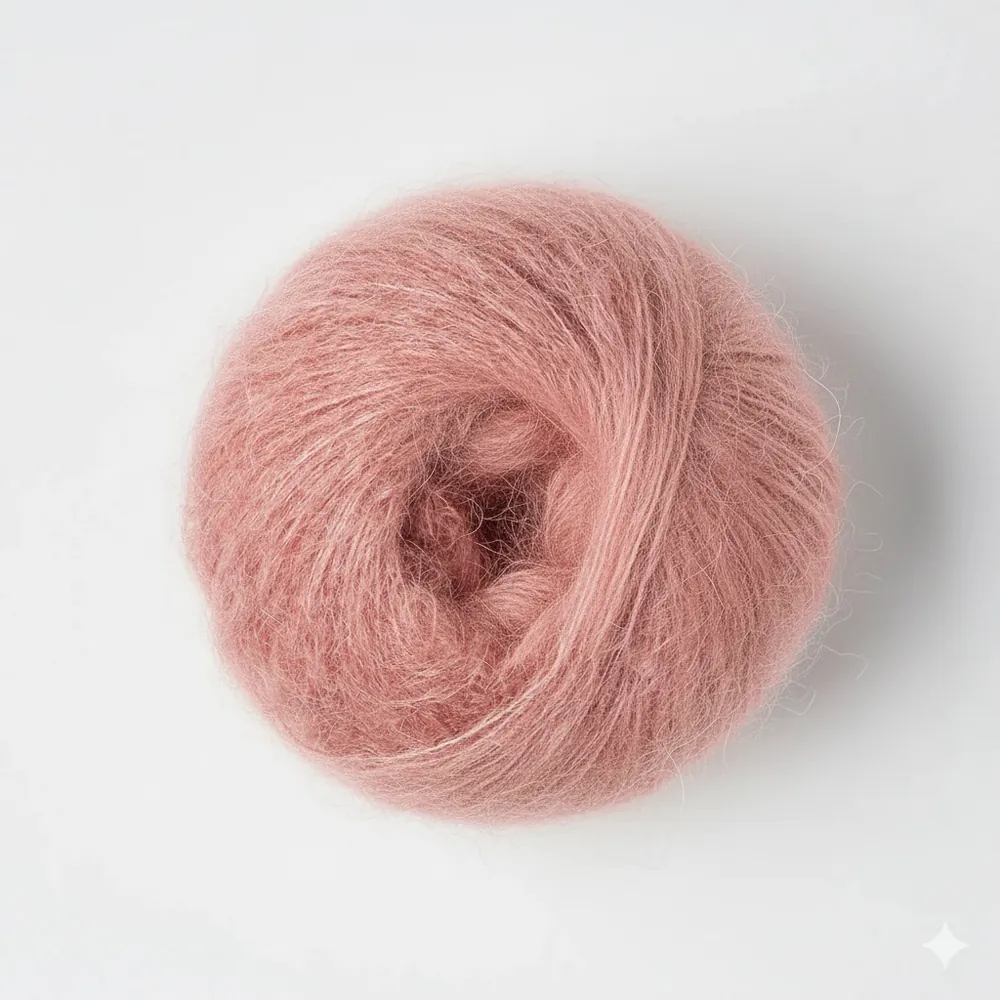
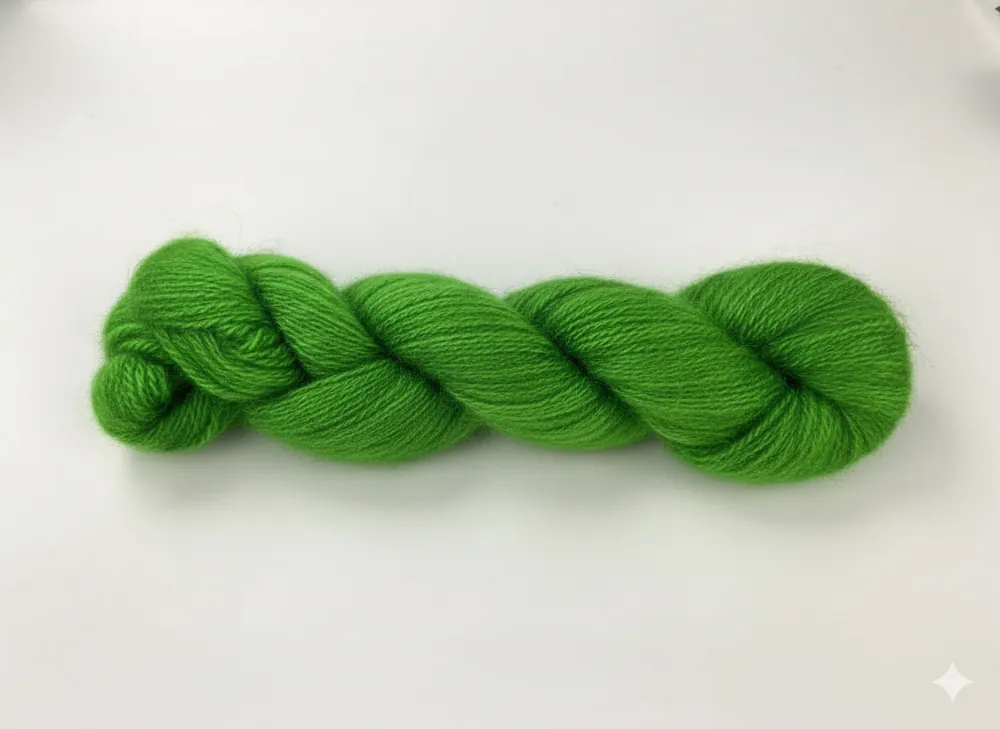
Lace weight yarn is extremely fine and delicate. When you hold it, it often feels almost like sewing thread. Crochet fabric made with lace yarn tends to be light, airy, and transparent, especially when paired with larger hooks.
This yarn is commonly used when the goal is elegance rather than warmth or structure.
Common Uses
Lace shawls and wraps
Decorative garments
Openwork accessories
Recommended Crochet Hook Sizes
Standard hook: 1.6–2.25 mm
For a drapey, airy fabric:
Use a hook 0.5–1.0 mm larger (about 2.0–3.0 mm)
Best for flowing lace patterns
For a firmer, more defined fabric:
Use the standard hook or slightly smaller
Ideal for motifs that need to hold shape
💡 Tip: Lace yarn reacts quickly to hook changes—always swatch first.
Yarn Size 0 – Crochet Thread
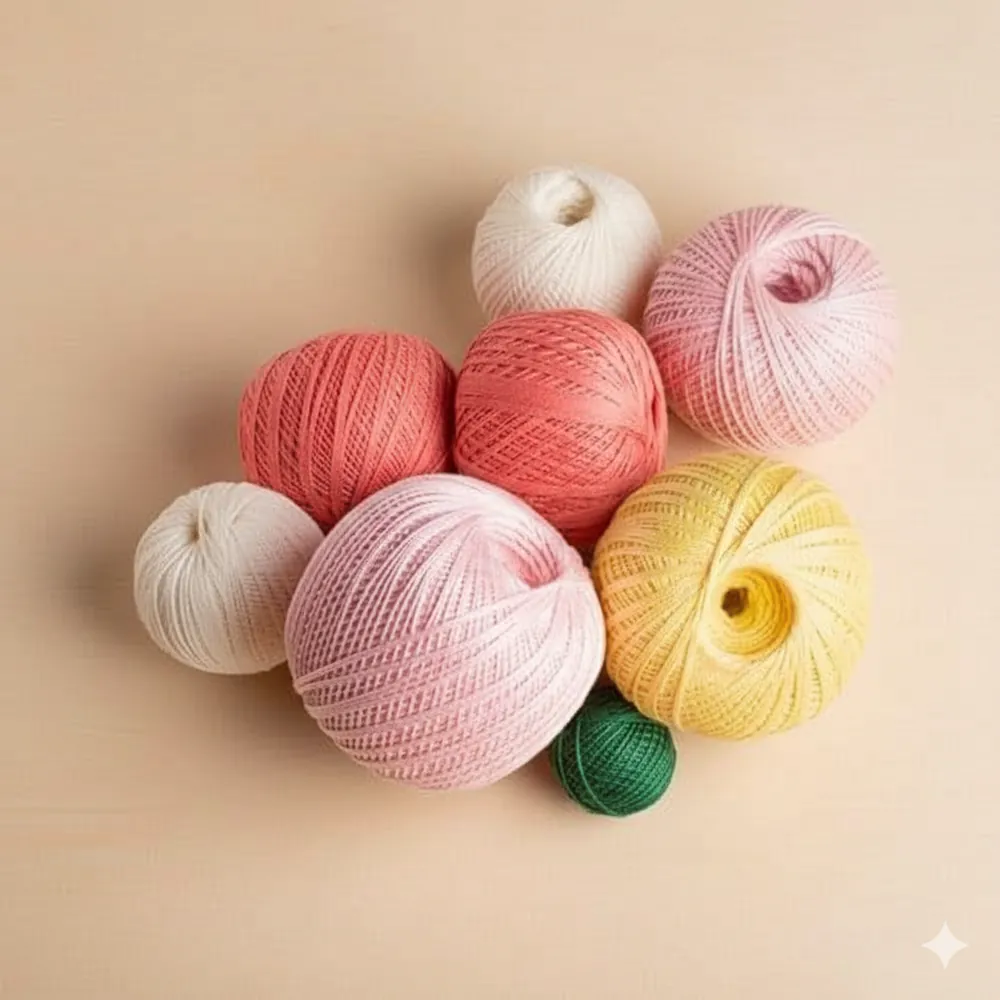
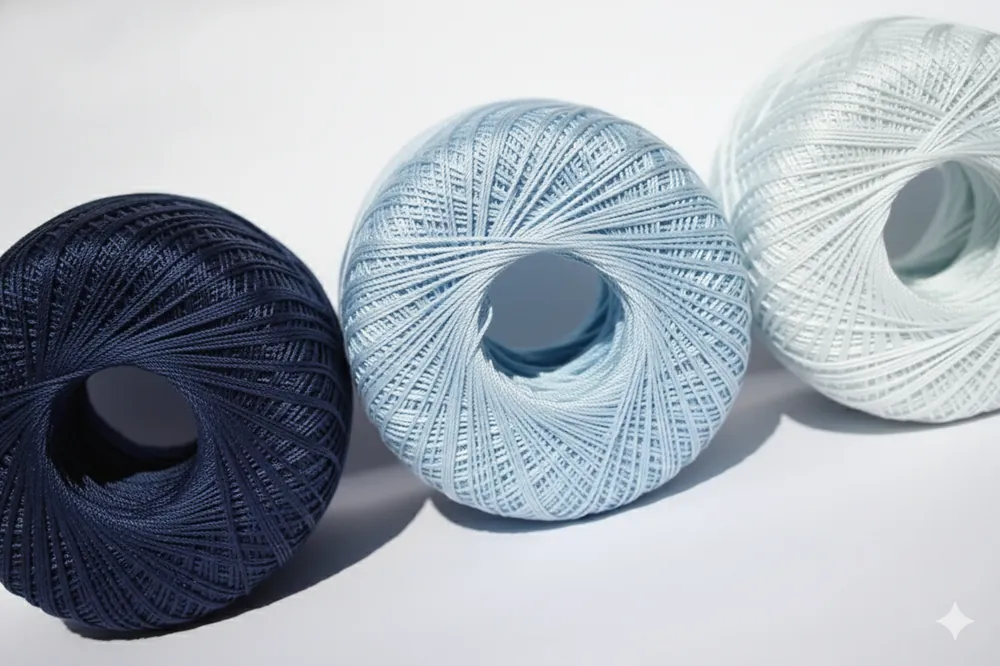
Although crochet thread is also classified as lace weight, it behaves very differently from lace yarn. Crochet thread has a high twist and smooth surface, which creates crisp, well-defined stitches.
It feels firmer in the hand and produces fabric with more structure and precision.
Common Uses
Doilies and lace trims
Home décor
Fine accessories
Recommended Crochet Hook Sizes
Standard hooks:
Size #10 thread: 1.5–1.75 mm
Size #3 thread: 2.25–2.75 mm
For softer, more open lace:
Increase hook size by 0.25–0.5 mm
For crisp, detailed lace:
Use the standard hook or slightly smaller
Yarn Size 1 – Fingering Weight
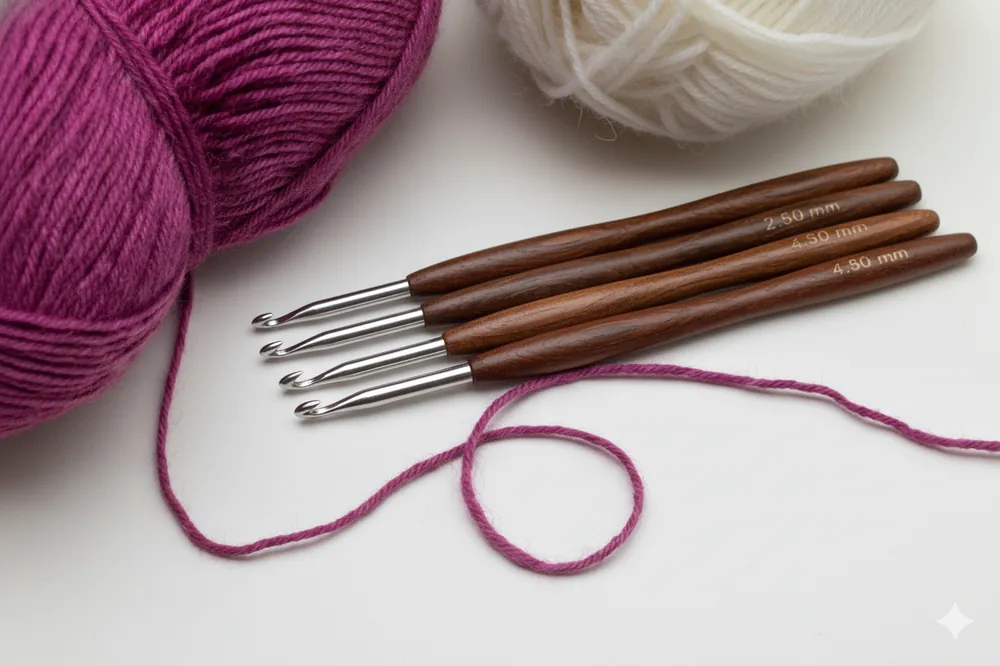
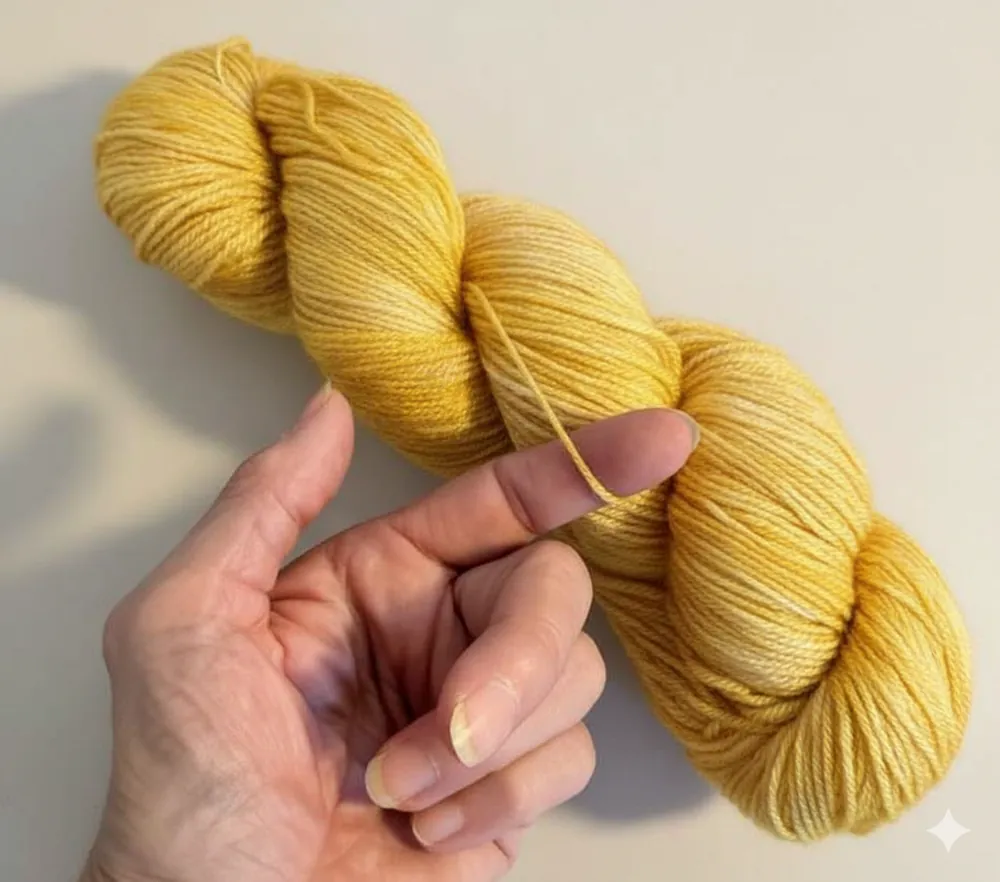
Fingering weight yarn is thin but strong, making it surprisingly versatile. It feels smooth and lightweight, and crochet fabric made with it tends to have beautiful drape when paired with the right hook.
This yarn is popular for garments and accessories that are worn close to the body.
Common Uses
Socks
Baby items
Lightweight garments and scarves
Recommended Crochet Hook Sizes
Standard hook: 2.25–3.5 mm
For soft, flowing fabric:
Use 3.0–4.0 mm
Ideal for shawls and garments
For firm, durable fabric:
Use a hook 0.5–1.0 mm smaller
Great for socks and cuffs
Yarn Size 2 – Sport Weight
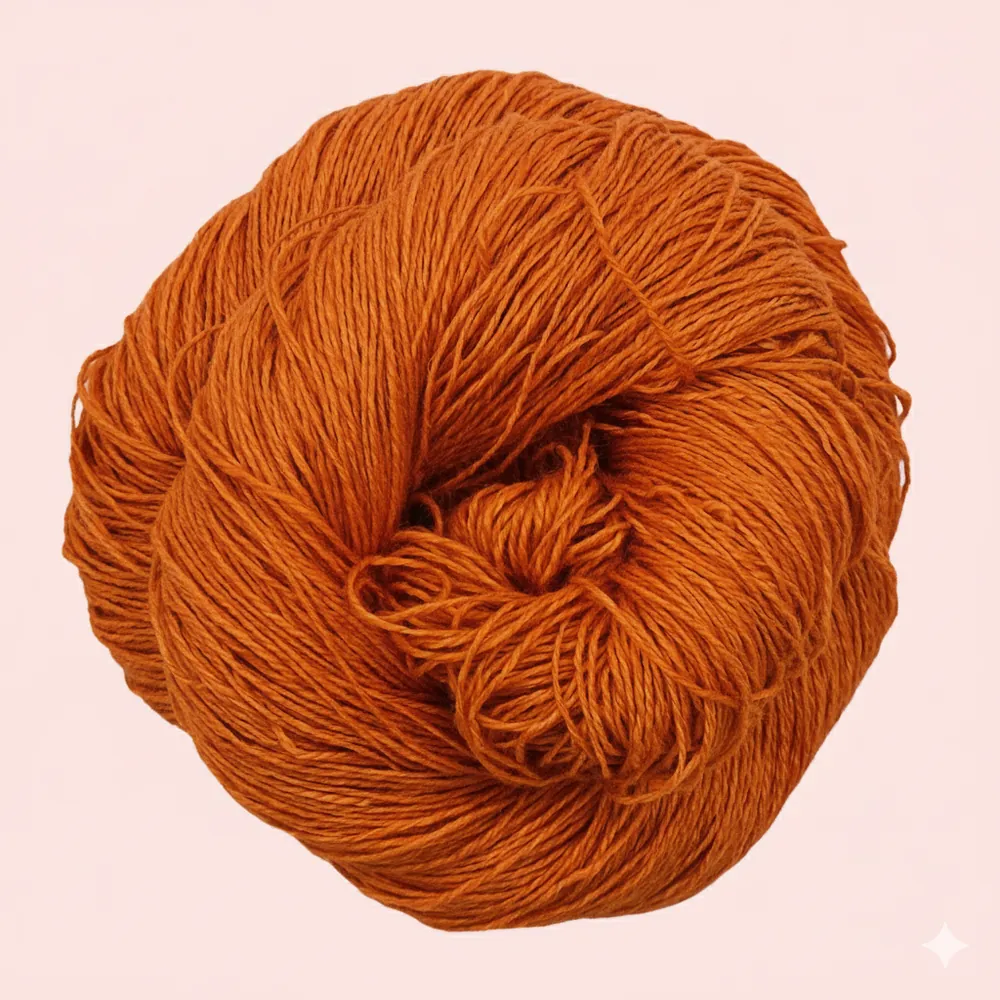
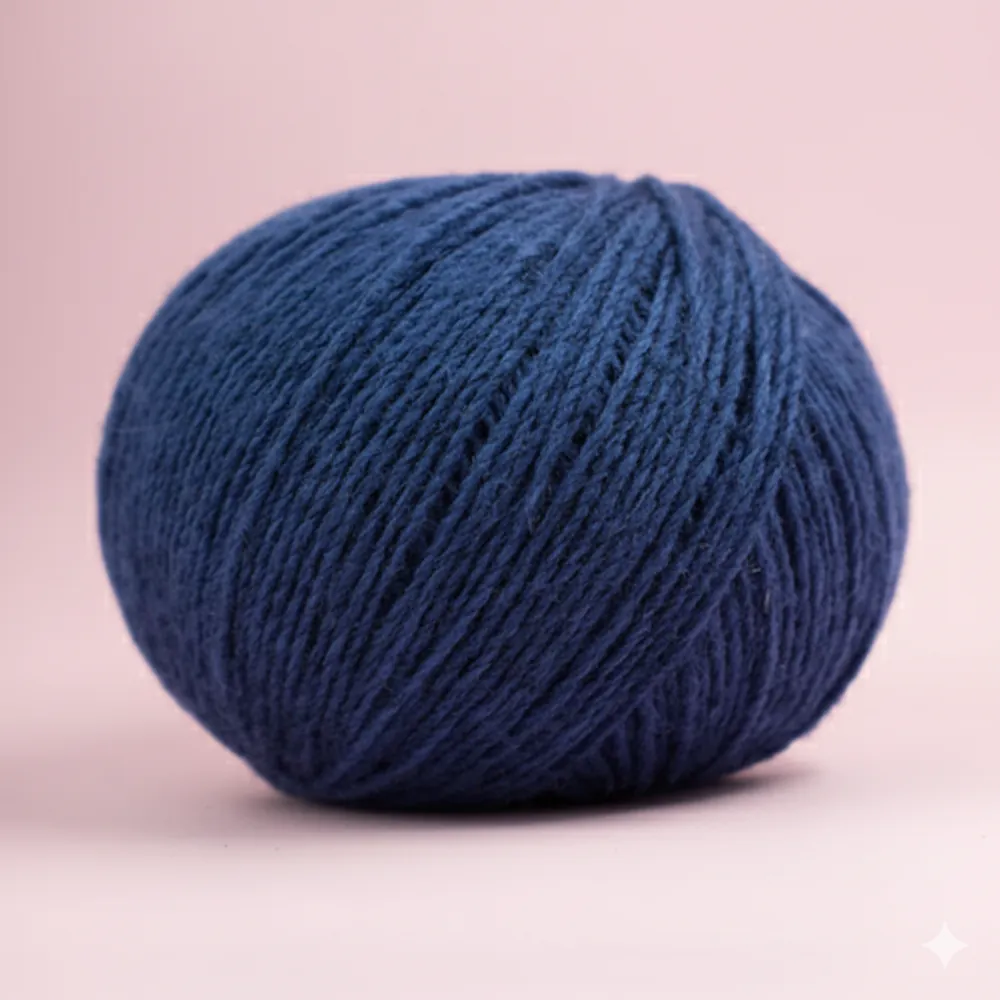
Sport weight yarn sits between fingering and DK. It feels light but slightly more substantial, making it easier to control—especially for beginners moving beyond basic projects.
Fabric made with sport weight yarn can be soft or structured depending on hook size.
Common Uses
Baby clothes
Lightweight blankets
Amigurumi
Recommended Crochet Hook Sizes
Standard hook: 2.5 – 3.5 mm
For soft, flexible fabric:
Use 4.5–5.0 mm
For tight, dense stitches:
Use 3.0–3.5 mm
Ideal for amigurumi
Yarn Size 3 – DK / Light Worsted
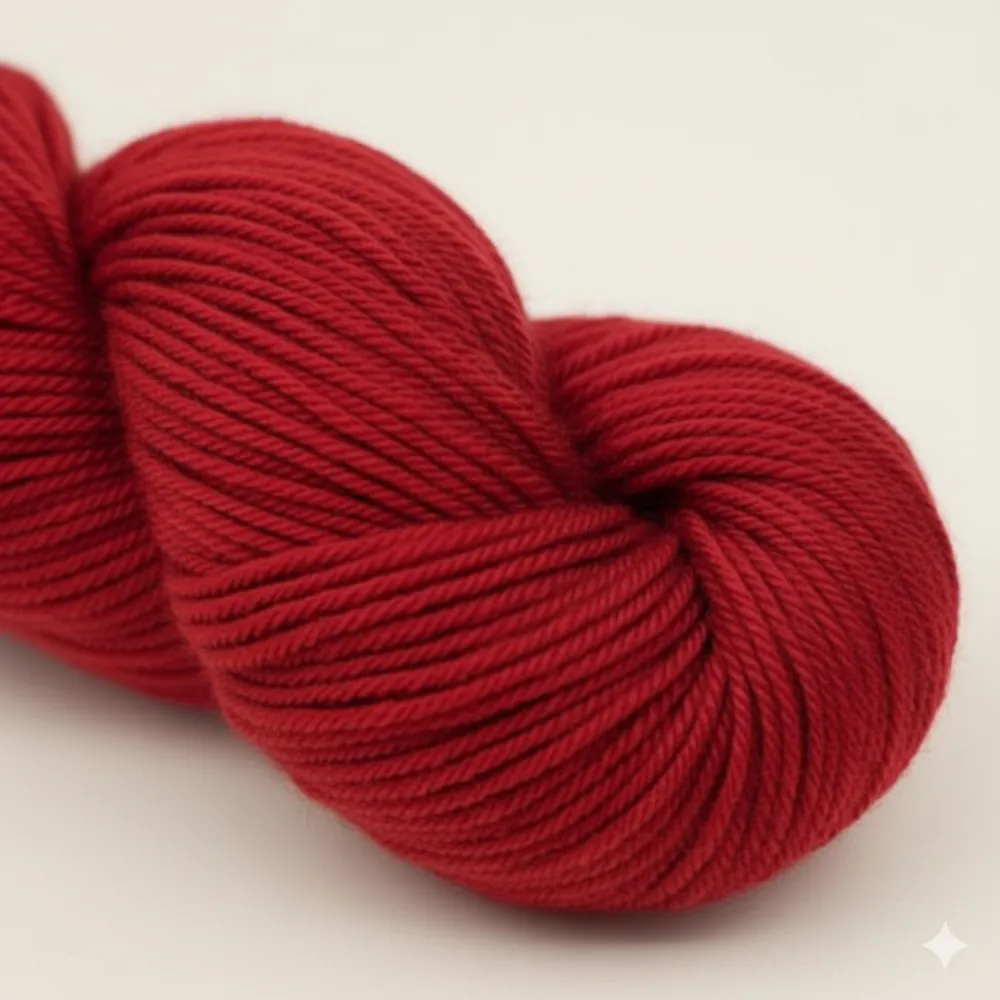
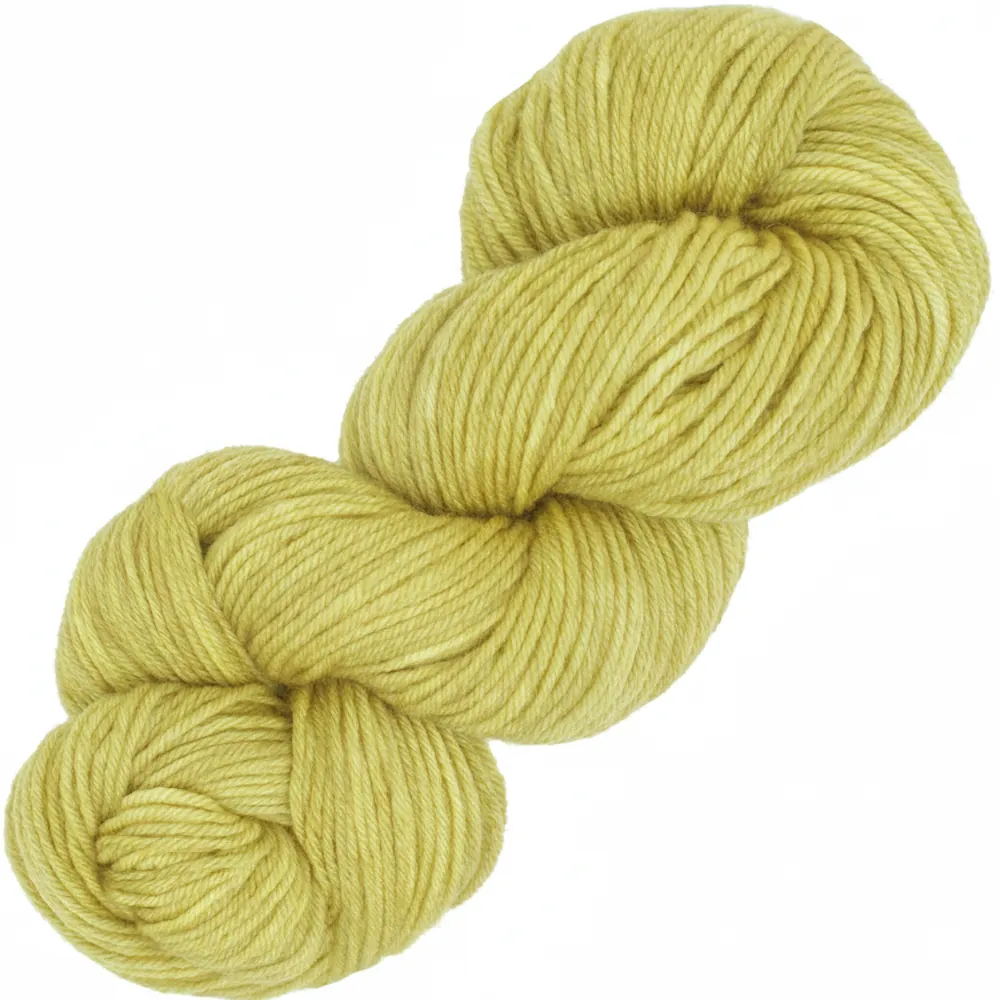
DK yarn is one of the most balanced yarn weights available. It’s thick enough to work up comfortably but light enough to show stitch detail beautifully.
This yarn clearly demonstrates how hook size changes fabric behavior.
Common Uses
Sweaters and cardigans
Dresses
Accessories
Recommended Crochet Hook Sizes
Standard hook: 3 – 4 mm
For drape and comfort:
Increase hook size by 0.5–1.0 mm
For structure and shape:
Decrease hook size by 0.5–1.0 mm
Yarn Size 4 – Worsted / Aran
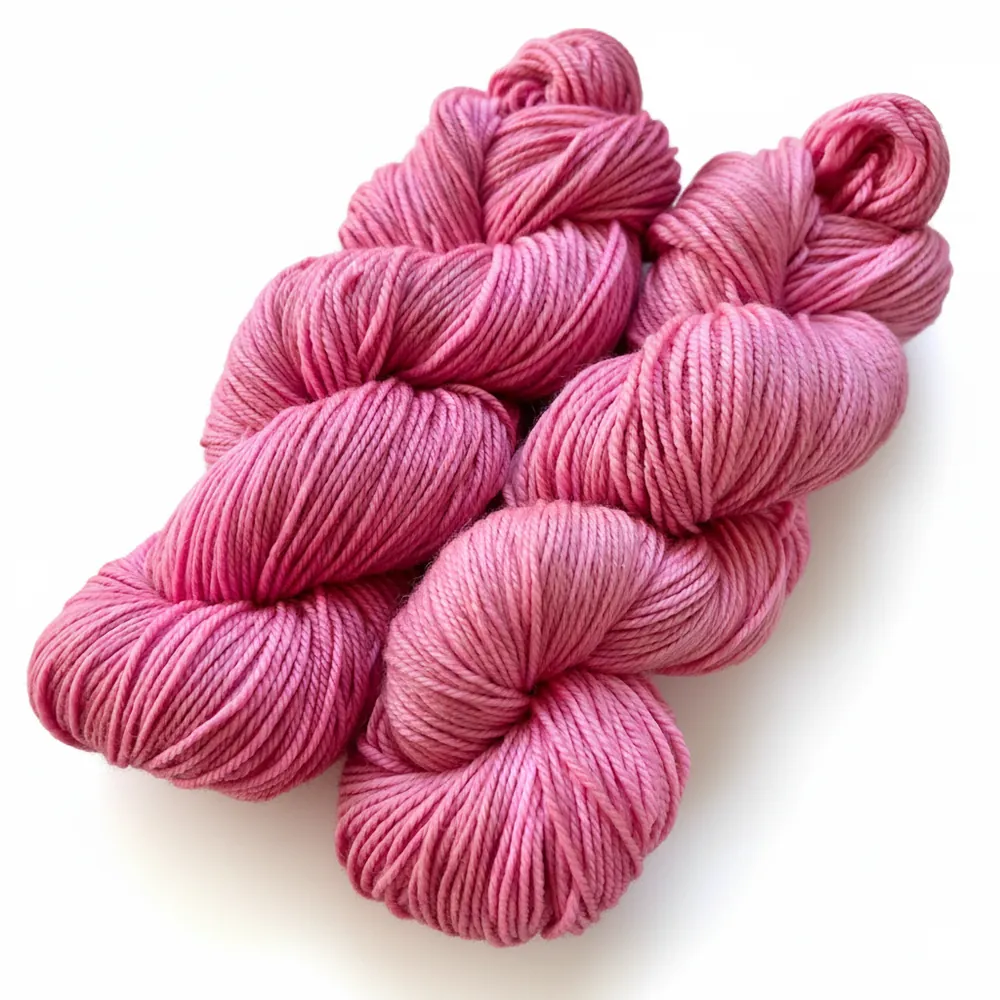
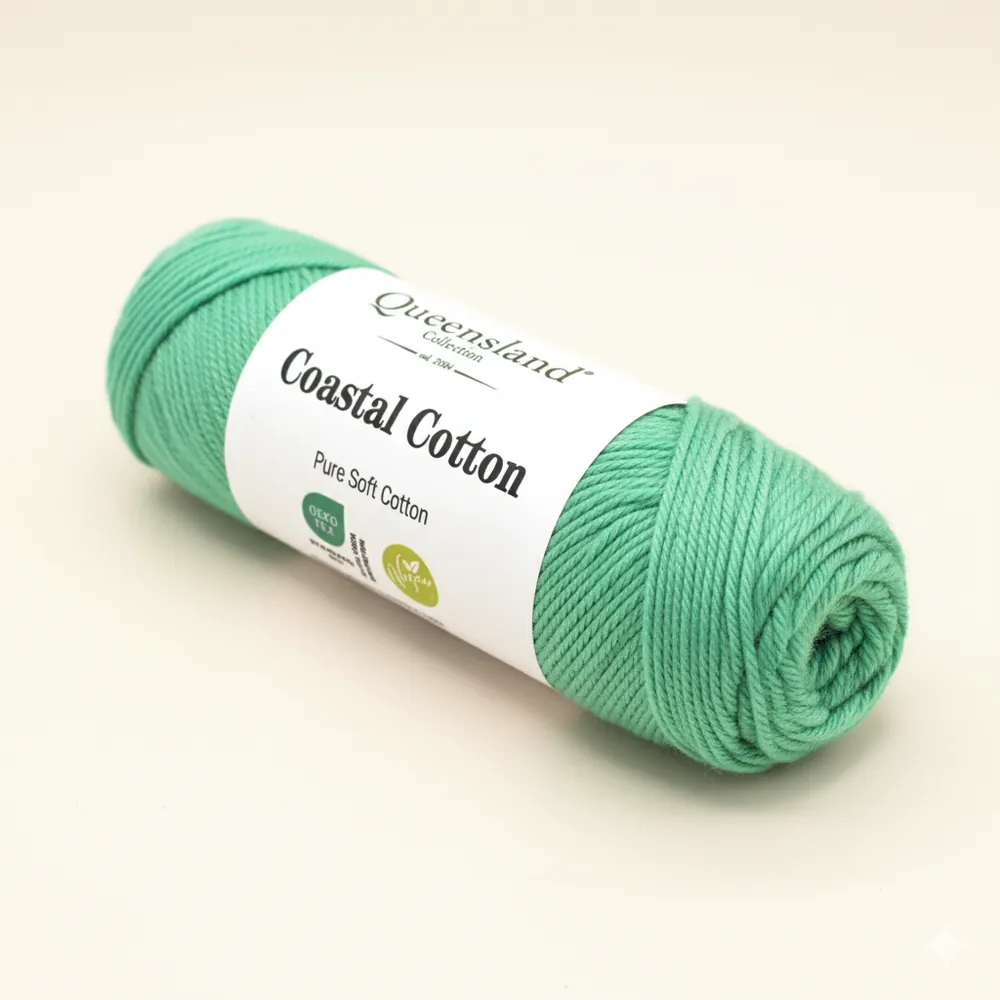
Worsted weight yarn is one of the most commonly used yarns worldwide. It feels substantial in the hand and creates fabric quickly, making it a favorite for beginners and experienced crocheters alike.
Common Uses
Blankets
Garments
Scarves and hats
Recommended Crochet Hook Sizes
Standard hook: 5.5–6.5 mm
For soft, cozy fabric:
Use 6.5–7.5 mm
For firm, structured projects:
Use 4.5–5.5 mm
Yarn Size 5 – Bulky
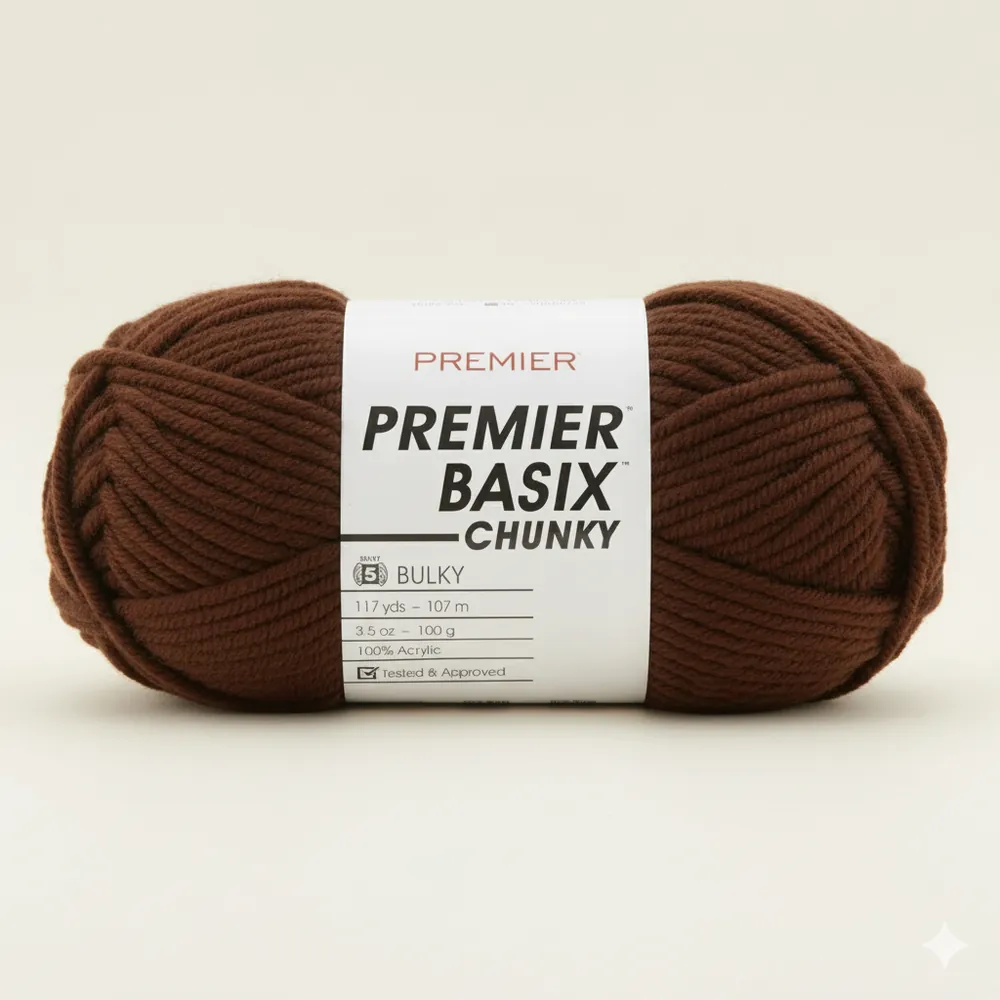
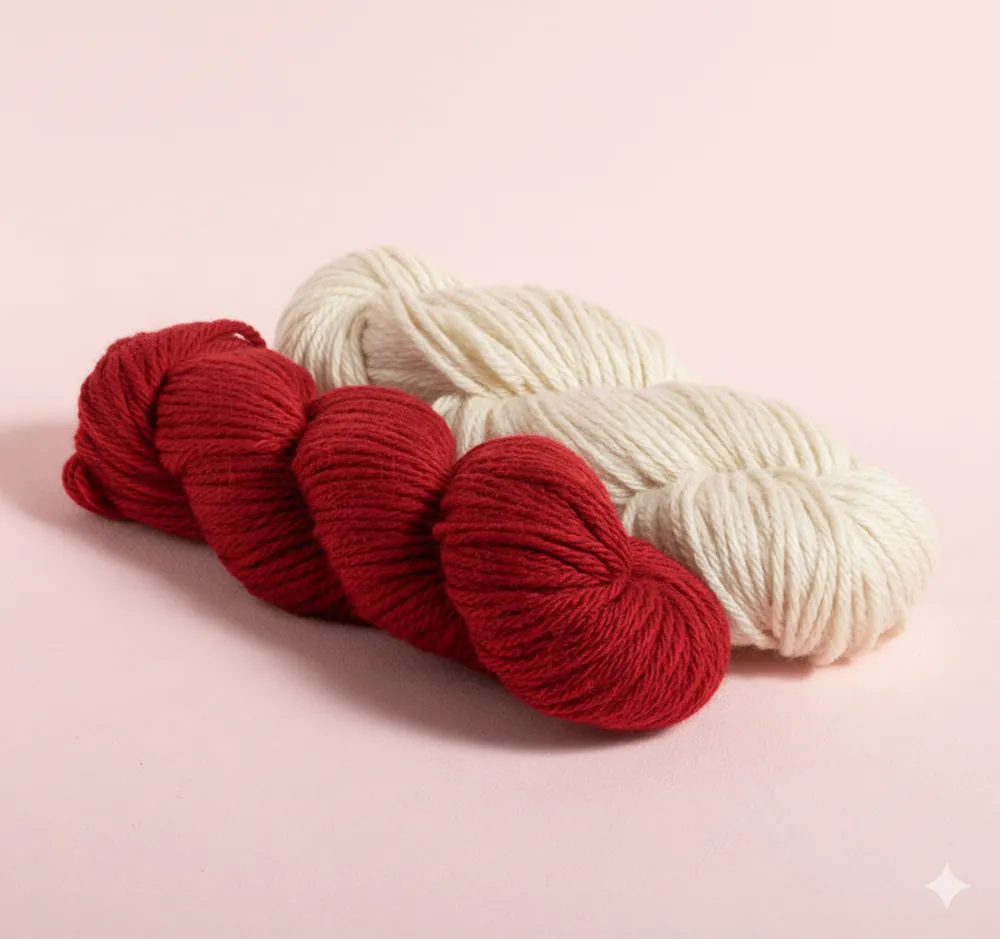
Bulky yarn is thick, plush, and very satisfying to work with. Projects grow quickly, and the stitches are bold and visible.
Common Uses
Cozy blankets
Oversized garments
Home décor
Recommended Crochet Hook Sizes
Standard hook: 6.5–9.0 mm
For plush, drapey fabric:
Use 8.0–10.0 mm
For solid structure:
Use 6.0–7.0 mm
Yarn Size 6 – Super Bulky
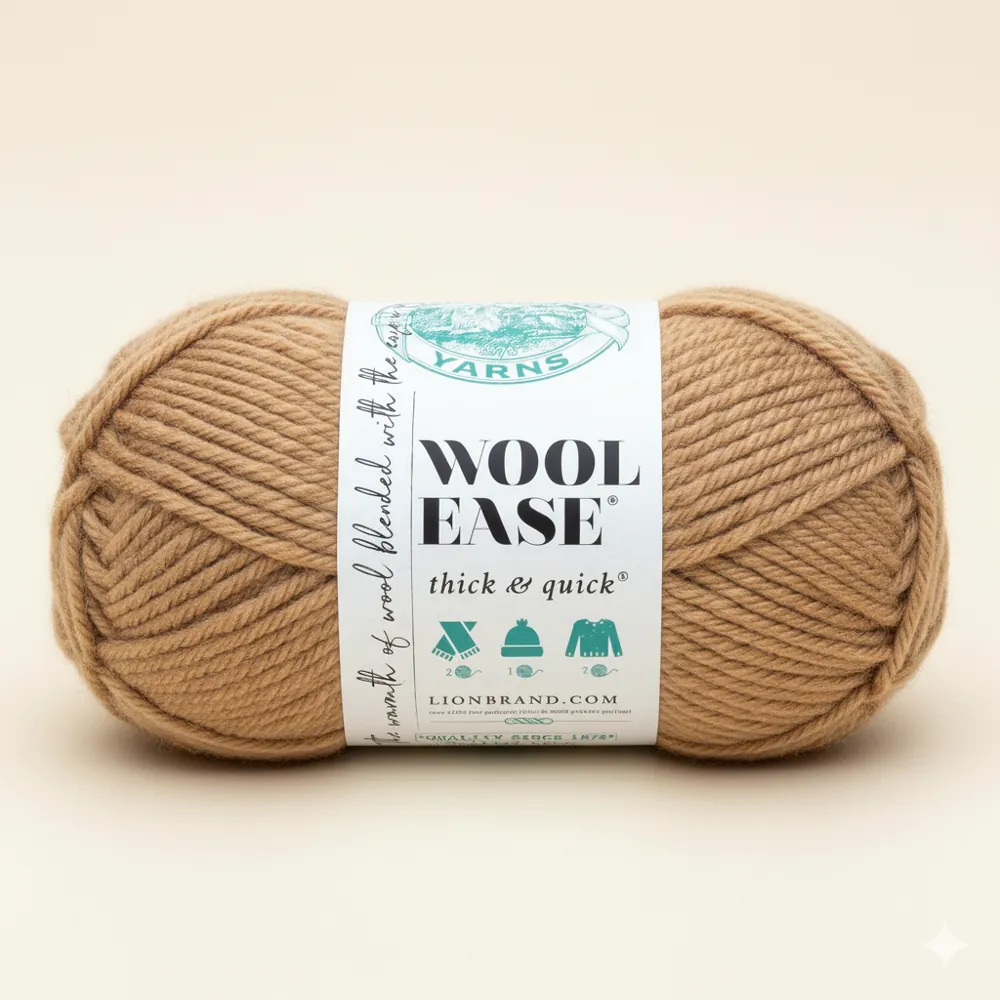
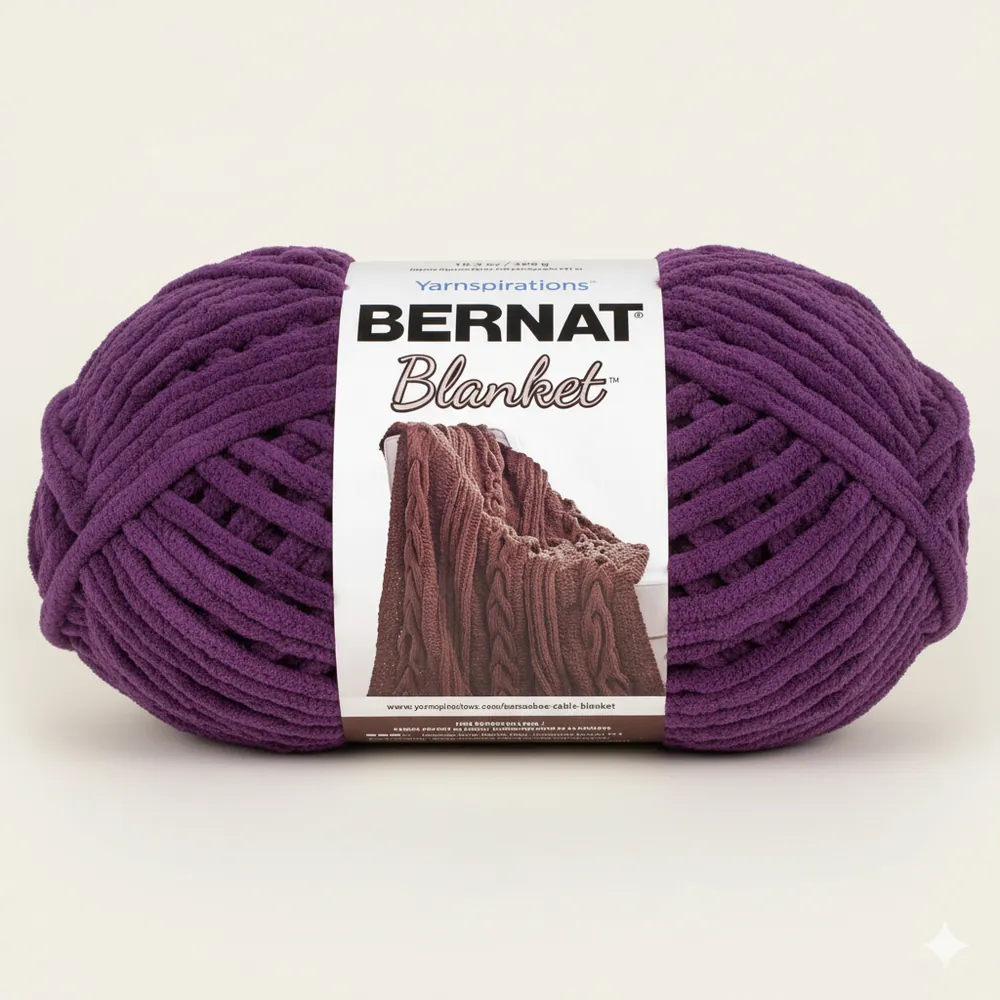
Super bulky yarn creates dramatic texture and very fast projects. The fabric can feel either cloud-soft or highly structured depending on hook choice.
Recommended Crochet Hook Sizes
Standard hook: 9–15 mm
12–15 mm for soft, airy projects
9–11 mm for better shape control
Yarn Size 7 – Jumbo
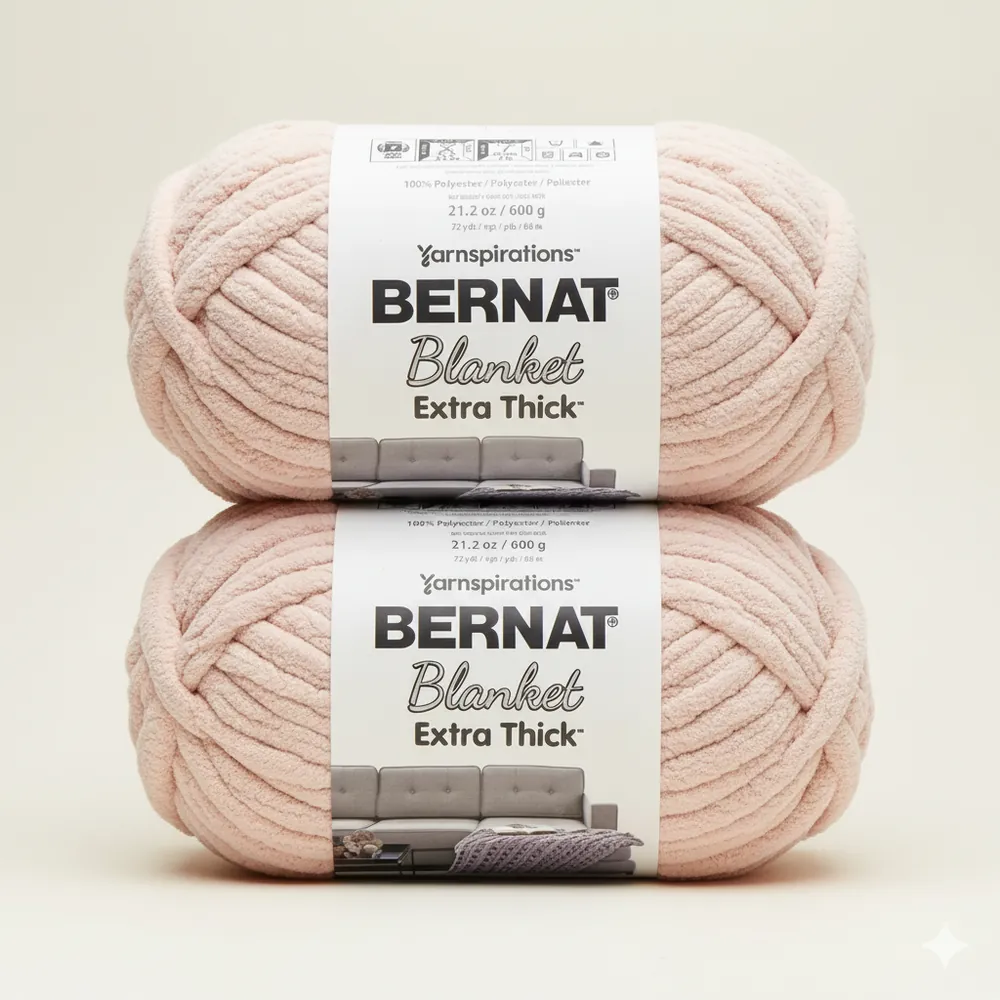
Jumbo yarn is extremely thick and often used for arm crochet or oversized décor. Fabric is bold, sculptural, and statement-making.
Recommended Crochet Hook Sizes
15 mm and larger
Or arm crochet
Use the smallest hook that comfortably handles the yarn if structure is needed.
Final Thoughts
There is no single “correct” crochet hook for any yarn—only the hook that creates the fabric you want.
By adjusting your hook size by just 0.5–2.0 mm, you can completely transform the look and feel of your crochet. Take a few minutes to swatch, trust your hands, and experiment.